腊八:粥暖岁寒,纳福迎新的民俗温情
Laba Festival: Porridge warms the cold year-end, the folk warmth of blessing and new beginnings
腊八节在农历十二月初八,是春节前的重要民俗节日。民间有熬煮腊八粥、腌制腊八蒜的传统,人们借此祭祀祖先、祈福纳祥,期盼来年顺遂安康。
Laba Festival falls on the 8th day of the 12th lunar month, an important folk festival before the Spring Festival. Folks have the tradition of cooking Laba porridge and pickling Laba garlic, worshiping ancestors and praying for good fortune and a smooth, healthy new year.
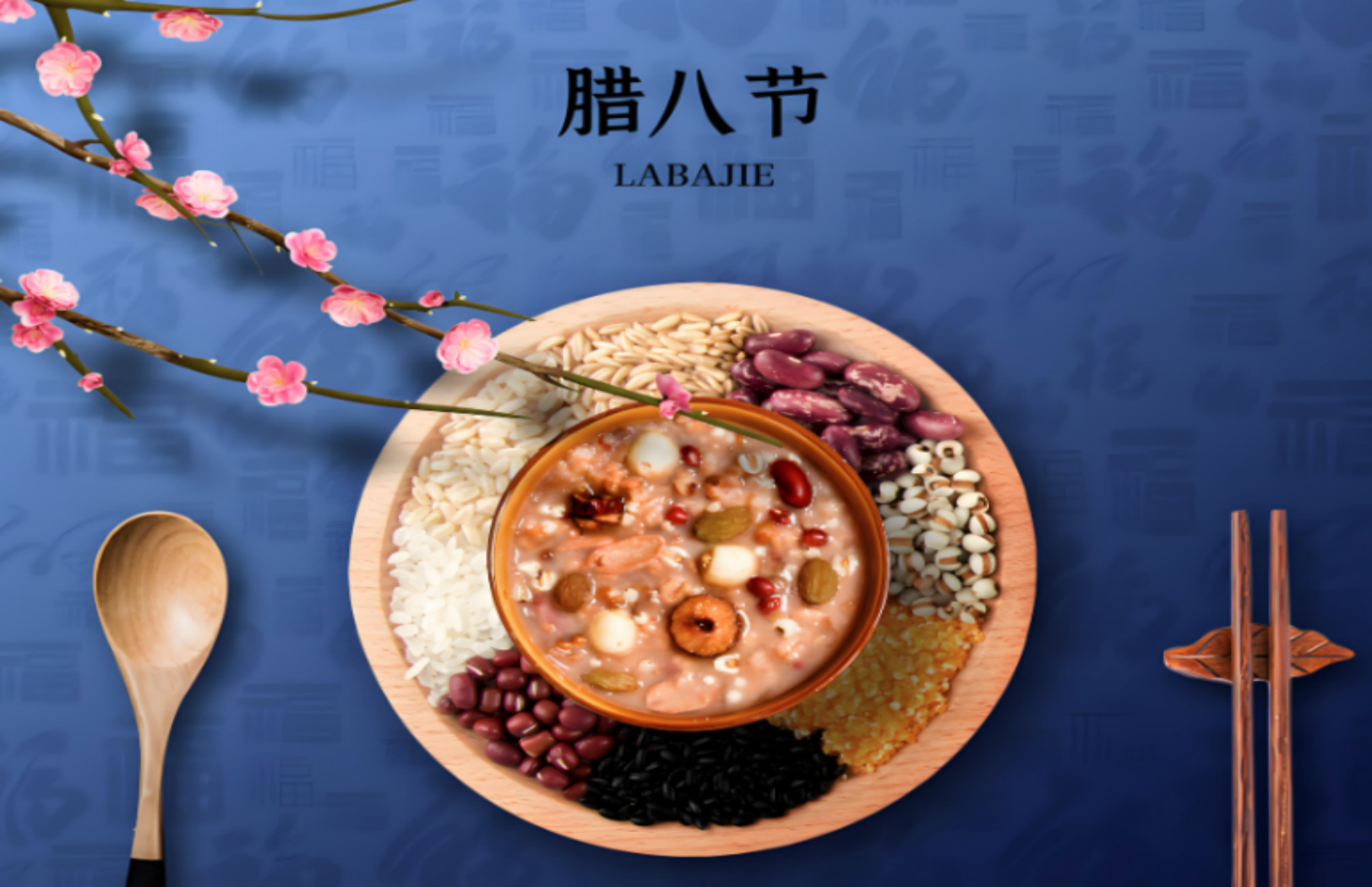
一碗香甜的腊八粥,凝聚着岁月的温情与生活的智慧。它不仅暖身暖胃,更承载着人们辞旧迎新的期许,为即将到来的新春佳节拉开温馨序幕。
A bowl of sweet Laba porridge embodies the warmth of years and the wisdom of life. It not only warms the body and stomach, but also carries people's wishes of bidding farewell to the old and welcoming the new, kicking off a warm prelude to the upcoming Spring Festival.
干支纪元:源于天象的古老计时密码
Ganzhi chronological system: The Ancient Timekeeping Code Rooted in Astronomical Observations
在中国5000多年的漫长历史中,计时系统也历经多次变更,目前使用的是公历和农历。不过在农历出现以前,还有一种最古老的系统——天干地支纪年,而生肖就跟这个系统有关。
Throughout China's 5,000-year history, timekeeping systems have evolved many times. Today, we use both the Gregorian calendar and the Chinese lunar calendar. But before the modern Chinese lunar calendar existed, there was an even older system: the Heavenly Stems and Earthly Branches (Tiangan Dizhi). This is where the Chinese Zodiac actually comes from!
天干地支来自于中国远古时代对天象的观测,“干”原来指的是“树干“,”支“指的是树枝,十个天干和十二个地支相互配合就组成了“干支纪元法”,古人根据这个方法来计时和指导生活生产。
The Heavenly Stems and Earthly Branches originated from ancient astronomical observations. "Gan" (Stem) literally refers to a tree trunk, and "Zhi" (Branch) refers to its branches. By pairing 10 Heavenly Stems with 12 Earthly Branches, the ancients created the "Ganzhi" cycle, which they used to track time and organize their daily lives and farming.
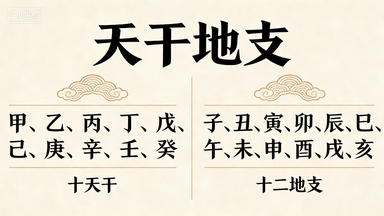
天干(共10个)分别是:
甲、乙、丙、丁、戊、己、庚、辛、壬、癸
The 10 Heavenly Stems are:
Jia, Yi, Bing, Ding, Wu, Ji, Geng, Xin, Ren, and Gui.
地支(共12个)分别是:
子、丑、寅、卯、辰、巳、午、未、申、酉、戌、亥
The 12 Earthly Branches are: Zi, Chou, Yin, Mao, Chen, Si, Wu, Wei, Shen, You, Xu, and Hai.
十二生肖:地支图腾里的文化寓意与马年期许
The Twelve Chinese Zodiacs: Cultural Connotations in Earthly Branch Totems and Aspirations for the Year of the Horse
为了便于记忆,古人把十二地支用动物表示,就是十二生肖,于是十二地支相对应的生肖就从古代流传沿用下来了。
To make them easier to remember, the ancients assigned an animal to each of the 12 Earthly Branches—creating the Twelve Chinese Zodiac Animals we know today.
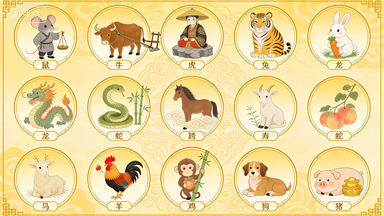
“马年”对应的天干地支系统的名字是“丙午马年”,这来自于天干中的“丙”和地支中的“午”,再加上对应的生肖“马”。而用你平时最习惯的全球通用的公历日历来看的话,2026年2月17日这一天才进入农历新年,也意味着那时才告别了蛇年,真正进入马年。
The official name for the upcoming "Year of the Horse" in the Stem-Branch system is the "Bing-Wu Year of the Horse." This name is formed by combining the Stem "Bing" with the Branch "Wu." If we look at the standard Chinese lunar calendar, the Chinese New Year doesn't begin until February 17, 2026. That is the moment we officially say goodbye to the Year of the Snake and truly enter the Year of the Horse!
十二生肖是中国传统文化的重要组成部分,它们源于自然界的11种动物和一个民族图腾。代表十二生肖的动物性格特点各有不同。到了马年人们会说"马到成功"。
The twelve Chinese Zodiacs, including eleven animals in nature and a national totem, play an important role in Chinese traditional Chinese culture. The twelve symbolic animals have their own characteristics. In the Year of Horse, people will say "ma dao cheng gong"-to gain an immediate success.
中国古代的阴阳学说构建起一套由十天干和十二地支组成的奇妙体系。十二地支就对应十二种动物。每一种动物都与十二年循环中的一年有着神秘的联系。每种动物也代表着一天中的十二分之一,也就是两个小时。一个人的命运就由这个让人琢磨不透的体系决定了。
The ancient Yinyang principle constructed a fantastic system of 10 heavenly stems and 12 Earthly Branches. The latter correspond to 12 animals with two symbolic functions. Each animal is mystically related to one year in a12-year cycle. Each animal also represents two hours or one-twelfth of every day. A person's fortune is determined by this intriguing system.
这十二种动物是:鼠、牛、虎、兔、龙、蛇、马、羊、猴、鸡、狗和猪.
These twelve animals are: rat, ox, tiger, rabbit, dragon, snake,horse, sheep,monkey, cock, dog and pig.
马位列十二生肖第七位,在中国文化中便象征着速度、毅力与乐于助人的品质。每当人们迎来马年,都相信这会是充满活力与进取的一年。
The horse ranks seventh among the Twelve Chinese Zodiac animals and symbolizes speed, perseverance and the virtue of being helpful in Chinese culture. Whenever the Year of the Horse arrives, people all believe it will be a year full of vit
ality and enterprise.